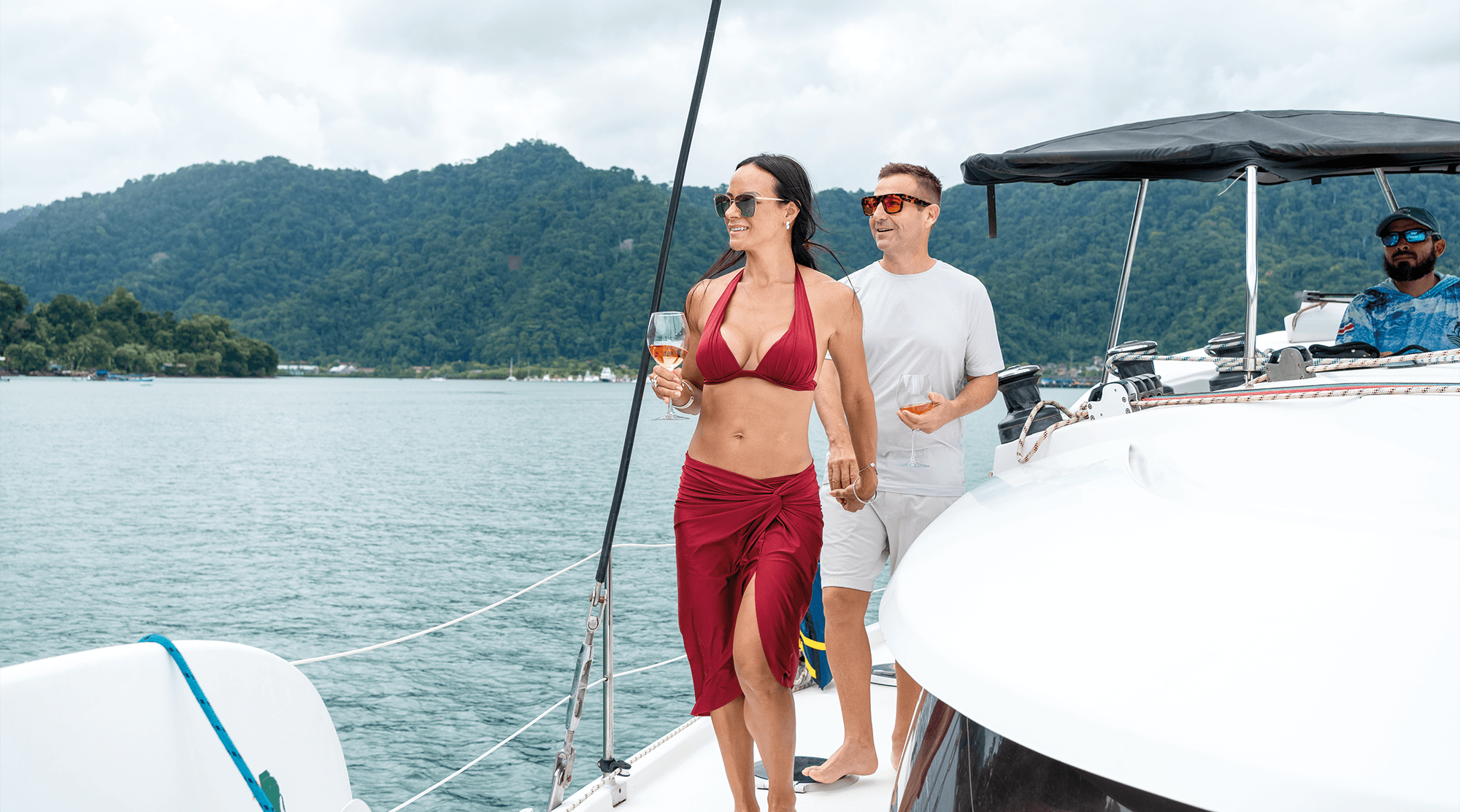
For people who have spent much of their lives around the water, the question of living in Costa Rica isn’t simply about finding a beautiful home; it’s about finding a place where the lifestyle you already love can evolve into something more permanent, more personal, and entirely your own.
You want to know whether you can walk out your door and be at the marina in minutes. Whether your yacht, sportfishing boat, or weekend cruiser can have a home nearby, too. Whether an ordinary Tuesday can begin offshore simply because the conditions look good – but also, whether there’s enough beyond the water to build a full life around: reliable healthcare, a realistic path to residency, room for family and friends, and a destination you’re still excited to explore years after you arrive.
For yacht owners, captains, sportfishing enthusiasts, and people beginning to think about what comes after a life built around work and movement, there’s a compelling answer to be found in marina living in Costa Rica.
At Marina Bahía Golfito, that life unfolds around the protected waters of the Golfo Dulce, with direct access toward the open Pacific and one of Costa Rica’s most extraordinary natural landscapes just beyond your door. The marina, Marina Village, dining, boating, sportfishing, rainforest, mangroves, rivers, and mountains all belong to the same environment. You don’t have to choose between life on the water and everything that draws you to Costa Rica in the first place.
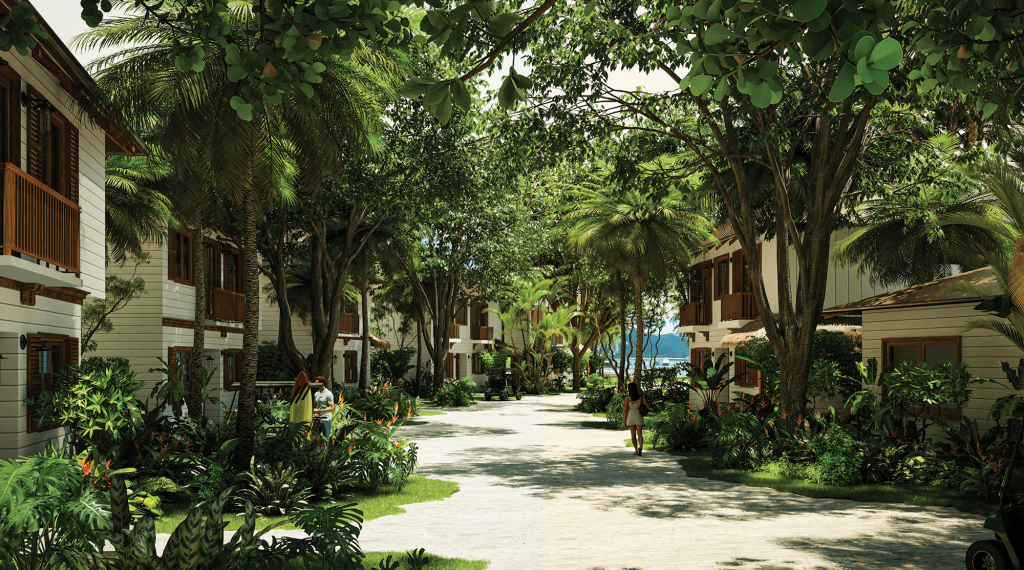
Sanctuary Boutique Residences adds another piece to that equation: a private, gated residential community beside the marina, with just 50 homesites, three residence designs, private pools, fully turnkey delivery, and Marina Village only a short walk away.
And if having your own berth is part of the next chapter, marina slips are also available for purchase. You can establish a home base on land and a home for your vessel just steps away, while remaining connected to the water without having your life dictated by someone else’s itinerary.
You’ve spent years deciding where to go next. This chapter is about having somewhere worth returning to.
There’s a significant difference between owning a home near the ocean and having a true home port.
If you’ve spent years captaining yachts, running boats, fishing offshore, or simply structuring your life around the water, you already know how much convenience determines how often you actually get out there. When your boat is somewhere that requires hours of driving, provisioning, and planning before you even reach the dock, spontaneous days on the water are increasingly difficult. When your home and marina are part of the same destination, it’s another story entirely.
An early offshore departure can begin minutes from home. You can spend an afternoon exploring the Golfo Dulce simply because the weather window is right. Friends arriving for the weekend can be on the water the same day, and when you return, Marina Village is nearby for coffee, dinner, errands, or an evening along the waterfront.
Golfito’s location adds another dimension. Many of Costa Rica’s established marinas sit farther north along the Pacific coast, including Los Sueños near Jacó, Pez Vela in Quepos, and Marina Papagayo and Marina Flamingo in Guanacaste. By contrast, Marina Bahía Golfito sits deep in the country’s Southern Pacific, within the sheltered Golfo Dulce and closer to the Panama Canal than any other deep-water marina in Costa Rica.
At Sanctuary, connection to the water is built into our very concept. The community includes just 50 homesites, with three residence designs offering three- and four-bedroom configurations, private pools, landscaped outdoor living, and fully turnkey delivery. Its architecture draws from Golfito’s maritime and banana-era history while responding to the climate through shaded terraces, generous overhangs, cross-ventilation, and fluid indoor-outdoor spaces.
The result is simple: the home doesn’t pull you away from the reason you chose Golfito, but rather gives you a place of your own within it.
For serious boat owners, finding the right home is only half the equation. You also need somewhere for the boat, and in many coastal destinations, bringing those two pieces together is surprisingly difficult.
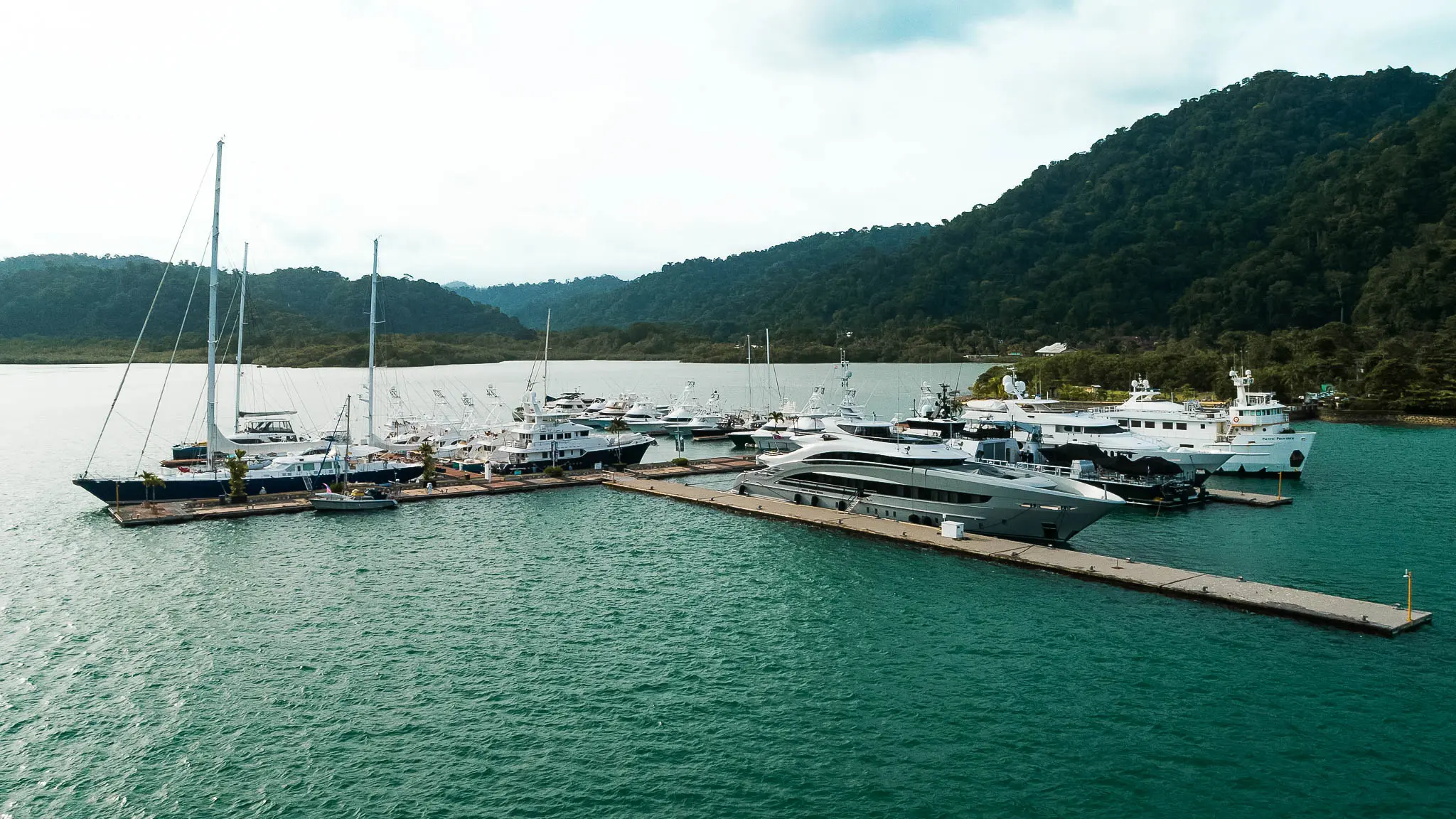
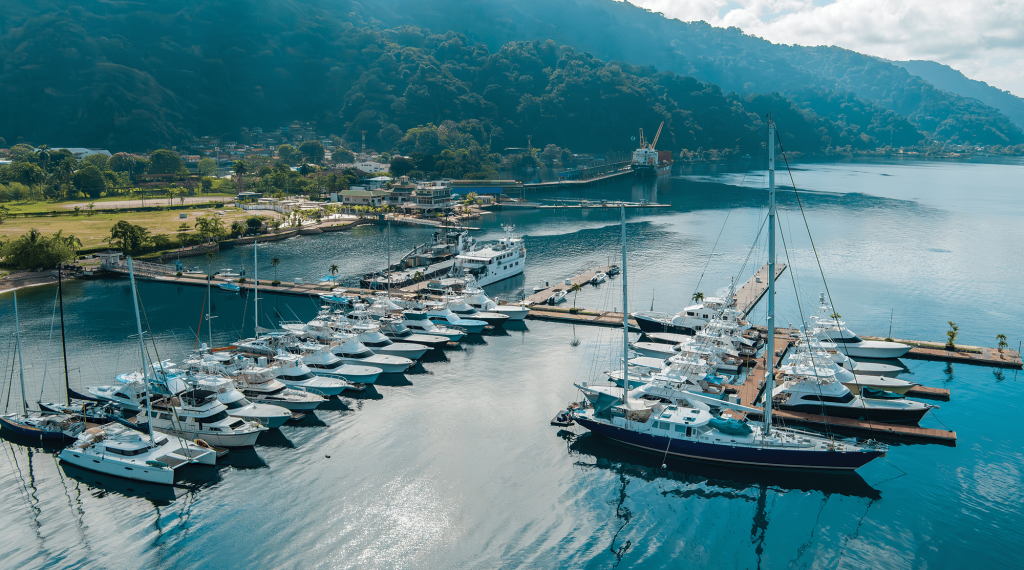
At Marina Bahía Golfito, marina slips are available for purchase, giving qualifying buyers the opportunity to establish a permanent base for both residence and vessel. The marina’s 54 existing slips accommodate boats from 40 to 350 feet, which means the same waterfront supports sportfishing boats, cruising vessels, and large superyachts.
If you’re looking for a dedicated berth for your own vessel, your slip can sit within the same marina ecosystem as your residence, with Sanctuary only a short walk away. Ownership at Sanctuary already includes access to Marina Bahía Golfito through MBG Marina Membership, while purchasing a slip adds a berth that is specifically yours.
For people accustomed to maintaining a home in one place and arranging seasonal dockage somewhere else, there’s real appeal in simplifying this relationship. Here, a single destination – specifically, the one you call home – becomes the center of both your life on land and your life on the water.
For former captains and yacht professionals, there’s an emotional side to that as well: At Sanctuary, you can come ashore without leaving the marina environment that has shaped so much of your life behind. The docks are still there. So are the boats, the familiar rhythms, and the conversations that naturally happen around a working waterfront. The difference is that, at the end of the day, you’re walking home to your own residence, your own pool, and a life that now runs on your schedule.
And if you don’t own a boat, the same setting still works. Marina access, boating, sportfishing charters, and the Golfo Dulce remain part of everyday life without requiring the responsibility of vessel ownership. The slip is an option, but your connection to the water is built in.
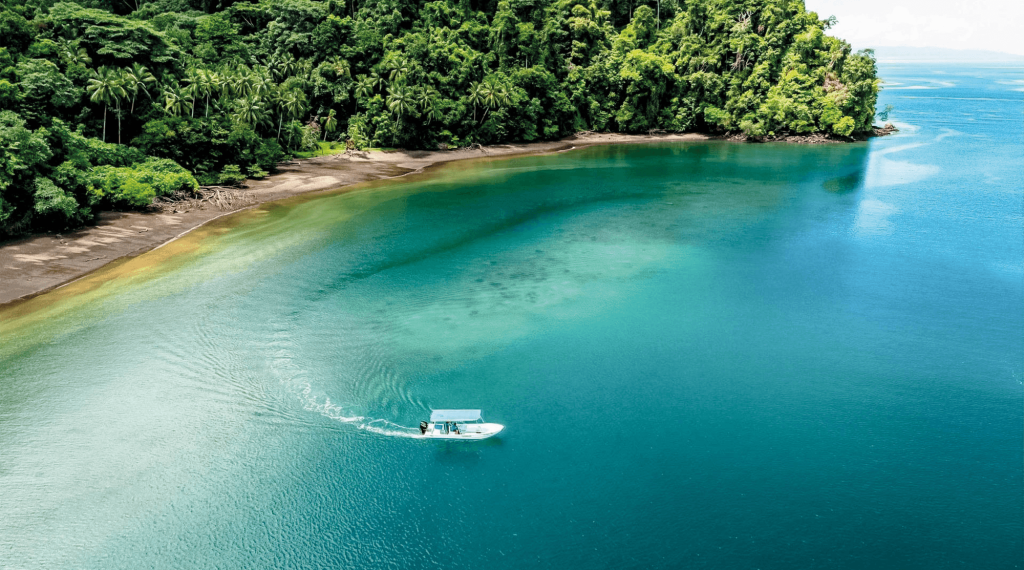
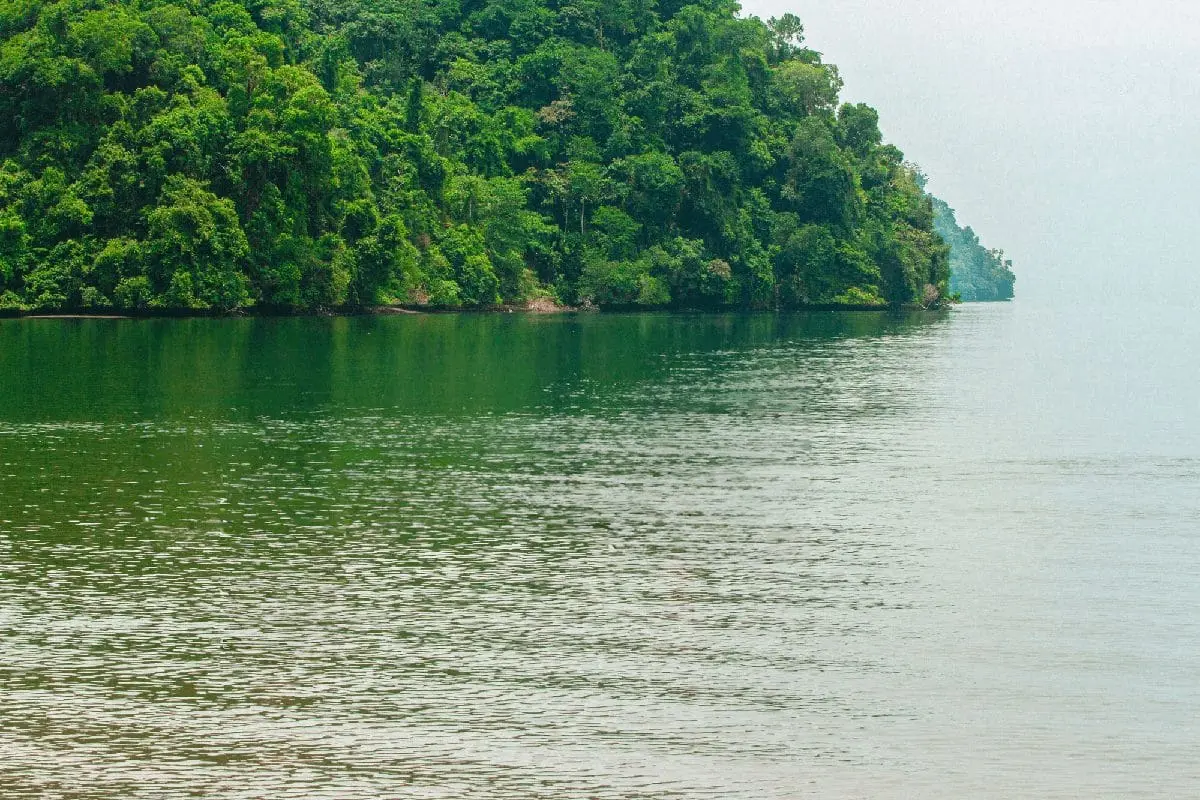
Marina Bahía Golfito sits on one of Costa Rica’s most remarkable bodies of water, and once you live beside it, Golfo Dulce stops being a “destination” and starts becoming part of your daily geography.
This is one of the world’s few tropical fjords, surrounded by rainforest-covered mountains, mangroves, rivers, and protected coastal corridors. The water itself is calm and enclosed, but the open Pacific is never far away. From the marina, your day can move in almost any direction.
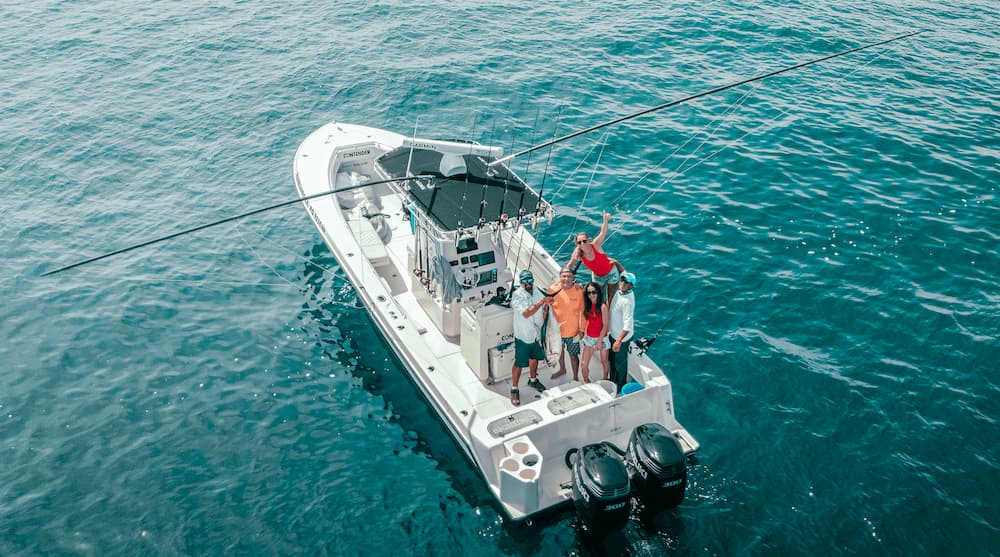
You can head offshore for sportfishing, cruise the gulf, paddleboard in calm water, follow the coastline toward a quiet beach, or simply take the boat out because the weather’s perfect and you have nowhere else you need to be. Dolphins and protected shark populations are present year-round, and seasonal humpback whale migrations bring another layer of movement to the gulf. For anglers, Golfito offers access to both inshore and offshore fishing, while yacht owners and cruisers gain a Southern Pacific home port within reach of wider Pacific routes.
Because you’ve spent years crossing oceans professionally, this all feels like a meaningful shift. You’re still connected to the water, but the terms are different now: there’s no guest itinerary to follow, no owner schedule to accommodate, and no passage plan dictating what comes next.
You simply go because you want to.
For international buyers thinking beyond a vacation home, one of the practical advantages of living in Costa Rica is that there are several established residency pathways, each designed around a different financial profile or stage of life.
You don’t have to fit a single idea of retirement to qualify. Some buyers arrive with pension income, others with independent income, and many Sanctuary Boutique Residences purchasers may find that their real estate purchase itself creates a path toward Costa Rica residency by investment.
For buyers receiving a qualifying lifetime pension, Costa Rica’s Pensionado temporary residency category, often referred to as the Costa Rica retirement visa, currently requires proof of at least US$1,000 per month in permanent pension income from abroad.
This can be an attractive option if you’ve formally retired from a career but are still very active, traveling frequently, spending time on the water, and building a new home base rather than stepping away from life.
For financially independent applicants who aren’t yet receiving a traditional pension, the Costa Rica Rentista visa generally requires proof of at least US$2,500 per month in stable, permanent income for a minimum of two years. The income must be supported by qualifying documentation, and the exact evidence required will depend on the applicant’s circumstances.
That can be particularly relevant if you’ve stepped away from full-time yacht work, sold a business, shifted into consulting, or simply reached a point where you no longer need to structure life around a traditional job but aren’t remotely ready to call yourself retired.
For many Sanctuary Boutique Residences buyers, the Investor category may be the most relevant pathway.
Costa Rica’s current investor residency framework allows qualifying real estate to count toward the required investment threshold, which is presently US150,000-200,000. Because residences at Sanctuary Boutique Residences exceed that amount, your home purchase may potentially form part of a Costa Rica residency by investment strategy, provided the legal and immigration requirements are properly satisfied.
That’s an important distinction. You aren’t buying property simply to qualify for residency; you’re buying the home, marina access, and lifestyle you already want, with the possibility that the same purchase can also support your longer-term legal presence in Costa Rica.
Property ownership and immigration residency remain separate legal matters, so if residency is part of your plan, the purchase should be structured with qualified Costa Rican legal and immigration advice from the beginning.
Temporary residency doesn’t have to be the final step. Under Costa Rica’s current immigration framework, qualifying temporary residents may apply to change to permanent residency after maintaining their status for three consecutive years, subject to the requirements in force at the time of application.
That gives you flexibility in how the next chapter develops. Costa Rica may begin as the place you spend part of each year. It may become your primary seasonal home. And over time, it may simply become home.
If you’re accustomed to moving between countries, vessels, contracts, and seasons, that gradual path can be especially appealing. You don’t have to decide everything on day one. You can establish a base, spend more time here, and let permanence come naturally.
Residency information is general, current as of October 2026, and is not legal or immigration advice. Requirements change; consult a qualified Costa Rican immigration attorney.
Healthcare becomes a more important consideration when you’re choosing where to spend the next 20 or 30 years. Costa Rica offers both a universal public system and an established private sector, giving international residents several ways to build the level of care that works for them.
Costa Rica’s public healthcare system is administered by the Caja Costarricense de Seguro Social, or CCSS, commonly known as la Caja. Legal residents enroll as part of maintaining residency, with access to primary care, hospitals, prescriptions, diagnostics, and specialist referrals through the public system.
Golfito also has its own public hospital, giving residents local access to hospital care without having to travel to San José for every medical need.
Many international residents supplement the CCSS with private insurance or private care. This can make it easier to see specialists directly, schedule diagnostics more quickly, and access Costa Rica’s established private hospitals and medical networks.
For more specialized treatment, residents can travel to larger medical centers in and around San José while handling many routine needs closer to home.
Costa Rica’s medicina mixta system gives insured patients another way to combine public and private care. You can pay to see a participating private physician while continuing to use certain diagnostic, pharmacy, and treatment services through the CCSS.
For many residents, that kind of mixed approach is practical. You can keep the broader coverage of the public system while using private care when you want more direct access, continuity, or faster scheduling.
Medical membership programs can add another layer. MediSmart offers discounted rates across participating physicians, laboratories, pharmacies, hospitals, and other services, while Hospital Clínica Bíblica’s Mi Vida programprovides preferred pricing and preventive-care benefits. These programs are typically used alongside other coverage rather than in place of it, giving residents more flexibility in how they manage routine and private care.
Healthcare information is general, current as of October 2026, and is not medical or insurance advice.
Of course, thinking about the next 20 or 30 years isn’t only about healthcare. It’s also about what you want your future to look like.
If you’ve spent much of your career moving from port to port, standing watches, working long seasons, or organizing your life around someone else’s vessel and itinerary, you may have no interest in exchanging that intensity for a life that suddenly feels small.
What changes is who controls the pace.
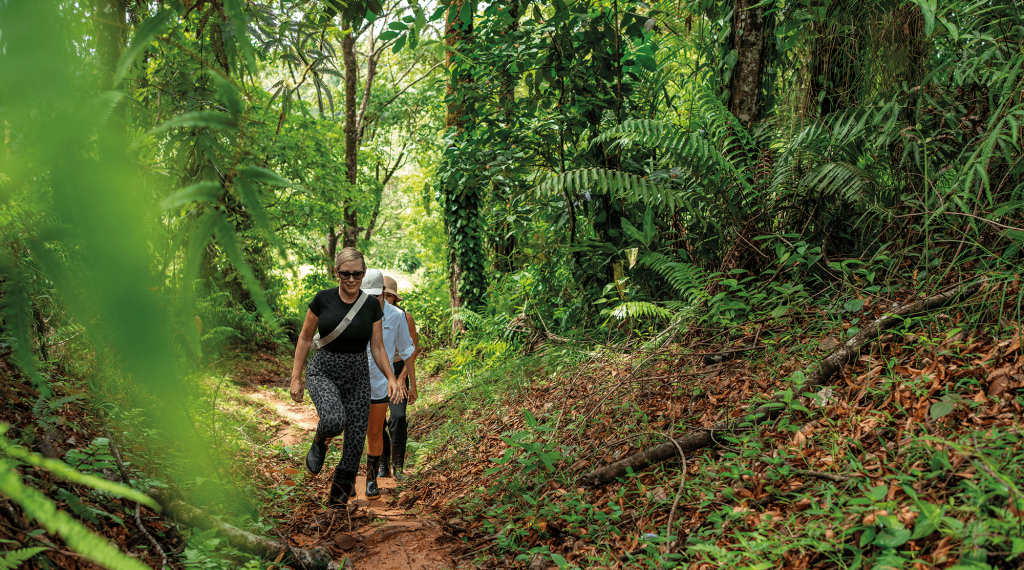
At Sanctuary Boutique Residences, an active life doesn’t revolve around another program, schedule, or carefully planned wellness routine. You can walk through the community in the morning, swim, head down to the marina, take a boat onto the Golfo Dulce, paddleboard along the coast, spend a day sportfishing, hike through rainforest, or explore a river or waterfall in Costa Rica’s Southern Pacific.
The environment makes movement part of ordinary life, which is especially appealing if you’re leaving behind long contracts, constant travel, cold winters, commutes, or a calendar dominated by work, but you’re nowhere near ready to slow down. You may simply be ready to choose what your time is for.
And in Golfito, there’s a lot to choose from. The marina puts the water within easy reach, while the wider landscape opens into rainforest, mangroves, beaches, rivers, mountains, and some of the most biologically rich territory in Costa Rica. The Golfo Dulce itself supports dolphins, seasonal humpback whales, shark nurseries, and extensive mangrove systems, while protected areas such as Piedras Blancas and Corcovado sit within the broader Southern Pacific landscape.
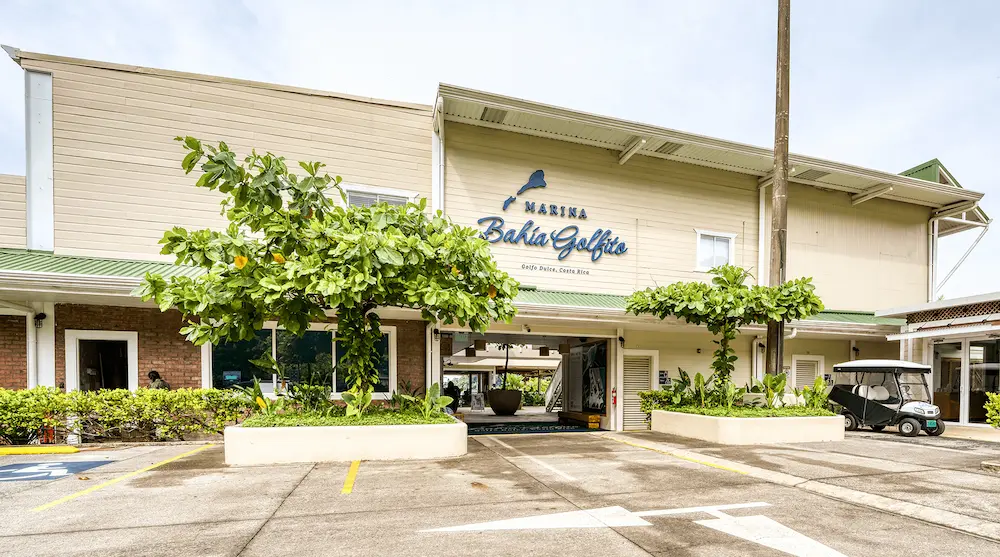
Just as importantly, you’re not living removed from everyday life. Marina Village adds restaurants, cafés, retail, wellness, transportation, marine services, and other conveniences within walking distance, while the town of Golfito extends that access with supermarkets, banks, healthcare, local restaurants, shops, and the practical services you need to live here comfortably rather than simply visit. Our natural wonderland is extraordinary, but it exists alongside a real, functioning town and an established waterfront community.
Creating a more manageable home base doesn’t mean giving up the space to bring people together. Sanctuary Boutique Residences offers three- and four-bedroom configurations, giving you room for adult children, grandchildren, friends, and the people you’ve collected around the world over the years.
And Golfito gives them plenty of reason to make the trip. A visit can mean mornings on the Golfo Dulce, sportfishing or boating, rainforest hikes, wildlife encounters, beaches, waterfall excursions, and dinners along the marina. There’s enough variety for different generations to spend time together without everyone needing to follow the same itinerary.
That can be especially meaningful after a career built around movement. Yacht crews, captains, and internationally mobile professionals often end up with friends and family spread across countries and continents. A home in Golfito gives those relationships a place to gather, while giving you a residence that still feels comfortable and manageable when it’s just you.
For some buyers, this chapter begins with retirement. For others, it starts much earlier. You may be ready to step away from full-time yachting, change careers, work selectively, or simply stop organizing your life around someone else’s schedule. You may still want movement, travel, long days on the water, and the freedom to leave for weeks or months at a time. You just want more control over where you return when the trip is over.
That changes the way you evaluate a potential home, too. The questions become less about what looks good on paper and more about how the property will actually fit your life and needs. Will you use it often? Can you establish a legal residence? Can you lock up and travel when you choose, then return to a home that’s ready for you? Will family and friends want to visit? Does it keep you close to the water, the people, and the experiences you want more of?
That’s where the idea of a home port becomes something larger than a marina term. Sanctuary Boutique Residences sits within a working marina ecosystem, alongside the established town of Golfito and one of Costa Rica’s most extraordinary natural settings. Marina Village is within walking distance, the Golfo Dulce opens toward the Pacific, and marina slips are available for purchase if keeping your own vessel nearby is part of the plan.
Golfito still has the sense of possibility that makes choosing a new home base exciting. The rainforest reaches toward the water, wild landscapes are close enough to become part of ordinary life, and there’s enough established infrastructure around you to build something lasting rather than simply pass through. After years spent helping other people reach their destinations, this can be the chapter where you choose your own.
When you’re comparing Costa Rica gated communities, marina residences, or Golfito real estate, it’s an unusual combination: a private residence, a serious marina, everyday services, and direct access to the wider Southern Pacific, all in one place.
Marina living in Costa Rica at Sanctuary Boutique Residences means a private home in a gated, golf-cart-friendly community a short walk from Marina Village at Marina Bahía Golfito, with direct access to the Golfo Dulce and the Pacific. Owners can also purchase a marina slip for their own vessel.
Marina Bahia Golfito is in Golfito, Puntarenas, on the Golfo Dulce in Costa Rica’s Southern Pacific. It is the closest deep-water marina to the Panama Canal, with 54 slips for vessels from 40′ to 350′.
Foreigners can own real estate in Costa Rica, subject to the legal characteristics of the specific property. Buyers should retain an independent Costa Rican attorney to complete title and legal due diligence before purchasing.
Yes. Marina slips at Marina Bahía Golfito are available for purchase. Availability, sizes, vessel requirements, pricing and ownership details should be confirmed with the sales team at the time of inquiry.
Potentially. Costa Rica’s immigration authority currently publishes a minimum of US$150,000 for Investor residency, often called residency by investment, which can include qualifying real estate. Because a related incentive law expired in July 2026, confirm the threshold that applies to you, and structure the purchase with Costa Rican legal and immigration advice if residency is part of your plan.
The Costa Rica retirement visa is the Pensionado temporary residency category. It currently requires qualifying permanent pension income of at least US$1,000 per month from abroad.
The Rentista category is for financially independent applicants who are not receiving a pension. It currently requires proof of at least US$2,500 per month in qualifying stable income, subject to immigration requirements.
Costa Rica has public healthcare through the CCSS as well as a private healthcare sector. Legal residents generally enroll in the CCSS, and many international residents add private insurance and private care depending on their needs.
No. Sanctuary is a residential community for people drawn to the Marina Bahía Golfito lifestyle. Its appeal can extend to yacht owners, sportfishing enthusiasts, empty nesters, second-home buyers, families and people seeking a more active lifestyle connected to nature and the water.
Sanctuary is planned as a gated collection of 50 homesites. Buyers choose a homesite, then one of three distinctive residence designs offering three- and four-bedroom configurations, private pools and turnkey delivery. Current homesite, model and pricing availability should be confirmed directly with the sales team.